 Funks Swabbie
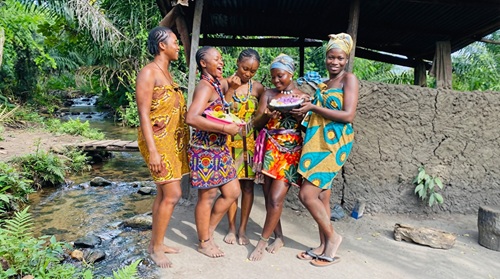
In Ghana’s Volta Region, not far from the Accra to Aflao road, sits a quiet settlement known as Mafi Dove. At first sight, a visitor will notice the long stretch of farmland, clusters of modest homes, and a calm that often marks many rural communities in West Africa. Daily life moves at an unhurried pace. The people depend on the land, and neighbors know one another well enough to share labour and look after each other’s children.
Yet beneath this ordinary appearance lies one of the most unusual cultural rules in the country. Mafi Dove is known as a village where three important activities are forbidden. Children cannot be born on the land. No one can rear animals within the village. Residents who pass away cannot be buried there. These prohibitions have shaped the identity of the community for generations and remain a subject of debate among the people who live there.
The origin of these customs is tied to oral history, preserved through the memories of elders. According to tradition, the village was founded by a man named Gbesi Akiti. He was a hunter who used to travel long distances in search of game. During one of his expeditions, he reached the land that would later become Mafi Dove. While exploring the area, he heard a mysterious voice that warned him the land was sacred. If he wished to settle there, he had to accept three conditions. No child was to be delivered on the land. No livestock could be reared. No one could be buried in the soil.
The early settlers believed that the land was spiritually pure. They also believed that blood from childbirth, death, or animal waste would contaminate the land and bring misfortune upon the inhabitants. For this reason, they obeyed the instructions as a sacred covenant passed down through their ancestry.
In the early years, the rules were not considered a heavy burden. The population was small. It was common for women to give birth in neighboring communities where traditional birth attendants lived. The dead were carried to nearby towns for burial. Livestock was allowed only during special occasions and was slaughtered immediately for food or rituals. Life continued without major conflict between daily routines and the ancient beliefs.
As time went on, Ghana changed. Roads improved in some areas, health care expanded, and communication with nearby towns became more common. Yet Mafi Dove continued to follow the rules that had guided it for centuries. With population growth, however, the difficulty of maintaining these traditions also grew.
Pregnant women began to face harsh realities. Because childbirth was forbidden within the village, they had to travel while heavily pregnant. Some left the community weeks before their due dates to stay with relatives elsewhere. Others waited until labor had begun and had to be rushed out of the village, sometimes on rough roads or by motorbikes that offered little comfort. These journeys brought significant risk to both mothers and babies.
Many women recount experiences of rushing to distant health facilities in the middle of the night. The pain, fear, and unpredictability made the rule feel less like a sacred instruction and more like an obstacle to safe motherhood. Yet the village elders insisted that the customs were necessary to preserve harmony. They believed that any violation would attract spiritual consequences.
Some spoke proudly of the peace within Mafi Dove. They claimed the absence of bloodshed or major conflict was a direct result of obeying the taboos. According to them, the land’s purity offered protection and stability. They pointed to the peaceful coexistence of families and the absence of violent crime as proof that the traditions should not be changed.
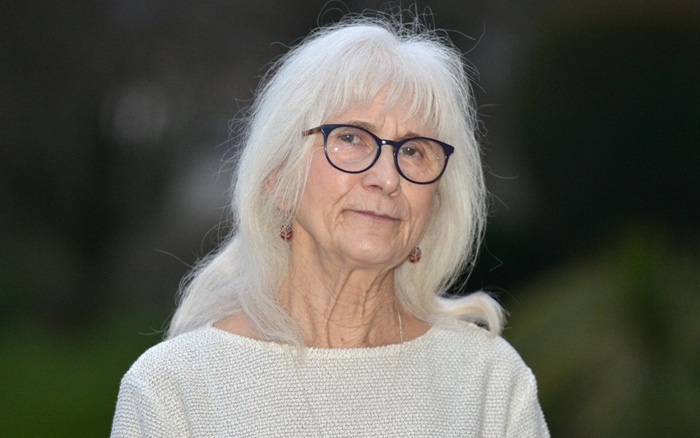
However, younger residents began to express dissatisfaction. Many felt that customs that endangered lives needed to be reconsidered. Women who had experienced painful journeys during childbirth became some of the strongest voices for change. Among these voices was Hannah Kosinah, who called on the village chief to revisit the rules. She noted that other communities with similar histories had adjusted their traditions to align with modern life.
Her plea sparked broader conversations. The village became the focus of national attention. Journalists visited to document the challenges faced by pregnant women. Civil society groups and government agencies began discussing how the community could uphold its cultural identity without compromising the safety of its women and children.
The Ministry of Gender, Children and Social Protection took particular interest in the situation. Officials met with chiefs and residents to understand their concerns. They aimed to support maternal health without dismissing the significance of the customs. After much dialogue, a compromise was suggested. A maternity clinic would be built just outside the boundaries of the land considered sacred. This would allow women to receive care nearby while honoring the historical instructions.
The plan was welcomed by many, though funding became an issue. Construction began but stalled due to limited support. For a period, the structure stood unfinished, reminding villagers of the gap between traditional beliefs and the needs of modern life.
In 2018, new life was breathed into the project through the efforts of the Ministry and the United Nations Population Fund. With financial support and renewed interest, the clinic was completed. Its inauguration marked a significant moment in the history of Mafi Dove. Women now had a safe place to deliver their babies without traveling long distances or exposing themselves to unnecessary danger.
The clinic was built close enough to the village to be accessible, yet far enough to remain outside the sacred boundary. It offered basic maternal services, antenatal care, and delivery support. It also served people from surrounding communities in the Central, North, and South Tongu districts. For many rural women in the region, it became the nearest health facility dedicated to childbirth and maternal health.
Despite this progress, challenges did not disappear instantly. The clinic faced equipment shortages. There were limited delivery beds, inadequate medical tools, and a shortage of essential supplies. Staff members did their best, but the demand grew quickly as more women from neighboring communities sought care.
In 2019, the situation improved when the new Minister of Gender, Children and Social Protection, Mrs Cynthia Morrison, visited the facility. Recognizing the need, she arranged for a donation of medical equipment valued at forty eight thousand Ghanaian cedis. The items included delivery beds, stethoscopes, wheelchairs, height measuring tools, bowls, buckets, and a refrigerator for storing vaccines and medicines. Her visit helped raise national awareness and gave the clinic a stronger foundation on which to serve the community.
Since then, the clinic has recorded successful deliveries and has brought relief to expectant mothers who previously lived in fear of traveling while in labor. Although the taboo technically remains in place, the establishment of the clinic represents a quiet but meaningful shift. It suggests that tradition and modern health care can coexist when both sides approach the matter with patience and respect.
Today, Mafi Dove still upholds its rules. No animals are raised within the village. Bodies are transported elsewhere for burial. Children continue to be delivered near, but not on, the sacred land. Yet the conversation about the future of the taboos continues among the younger generation. They recognize the value of heritage but also understand the need for customs to evolve so that lives are not placed at risk.
Some residents believe that in time the taboos may soften, especially as the influence of education and travel broadens the perspective of younger families. Others believe the customs will endure and will continue to serve as a symbol of cultural identity. Both sides approach the matter with caution because the story of Mafi Dove is deeply tied to its spiritual past.
The village stands today as an example of how tradition can shape the daily lives of a community. Its history reminds us that customs play a powerful role in forming identity. At the same time, its recent changes show that adaptation is possible when the health and well-being of people are at stake. In many ways, Mafi Dove’s story is not only about restriction. It is about resilience and the search for balance between ancestral beliefs and the demands of modern society.
Only the future will reveal how far the community will go in adjusting its long-held customs. Whether the old rules will fade away or evolve into new interpretations is still unknown. What is clear is that the people of Mafi Dove remain committed to honoring their roots while working to create a safer and more supportive environment for the generations to come.


 Funks Swabbie